Degreasing and pickling are the two most critical stages in the galvanising process.
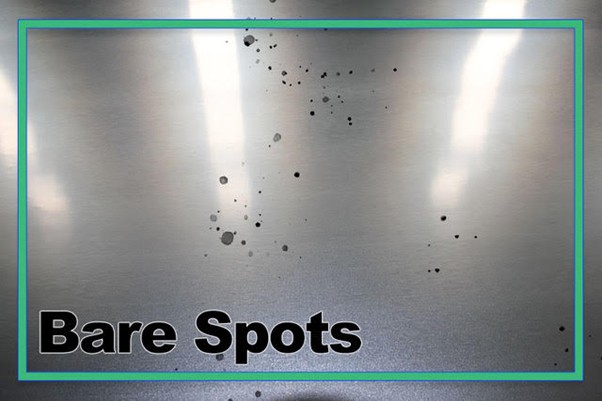
If steel is not properly cleaned at this stage, zinc cannot bond correctly—leading to bare spots, peeling coatings, and early corrosion failure.
This guide explains why degreasing and pickling matter, how they work, common mistakes, and best practices used by professional galvanizing plants.
What Are Degreasing and Pickling in the Galvanising Process?
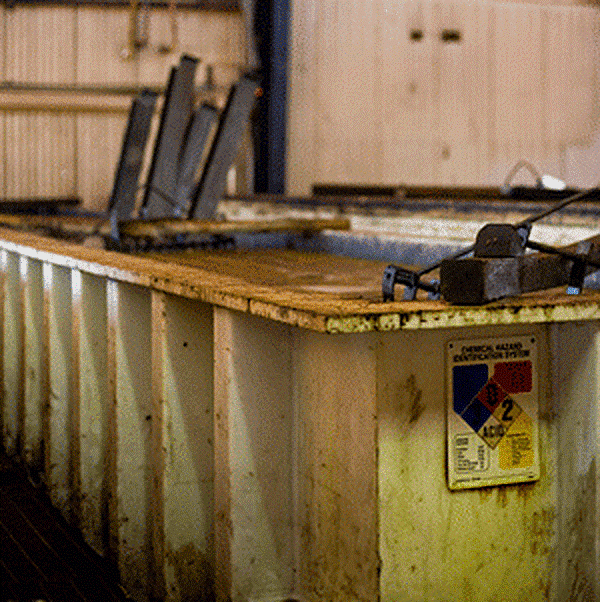
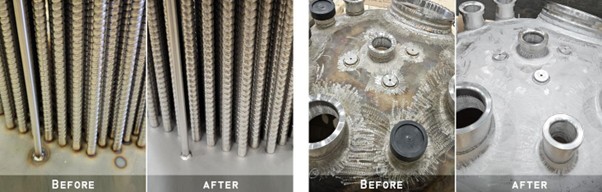
In the galvanising process, degreasing and pickling are surface cleaning steps performed before steel enters the molten zinc bath.
Purpose of Each Step
- Degreasing: Removes oils, grease, cutting fluids, and shop contaminants
- Pickling: Removes rust, mill scale, and surface oxides
Together, they ensure the steel surface is chemically clean and ready for zinc bonding.
🔑 Key rule: Zinc will only bond to clean, oxide-free steel.
Why Surface Cleaning Is Critical Before Galvanizing
Poor surface cleaning causes:
- ❌ Bare or black spots
- ❌ Zinc peeling or flaking
- ❌ Uneven coating thickness
- ❌ Reduced corrosion protection life
Proper degreasing and pickling ensure:
- ✅ Strong zinc–steel metallurgical bond
- ✅ Uniform coating thickness
- ✅ Compliance with galvanizing standards
- ✅ Long-term corrosion resistance
Over 90% of galvanizing defects originate from inadequate surface cleaning.
Step 1: Degreasing in Galvanizing (Oil & Grease Removal)
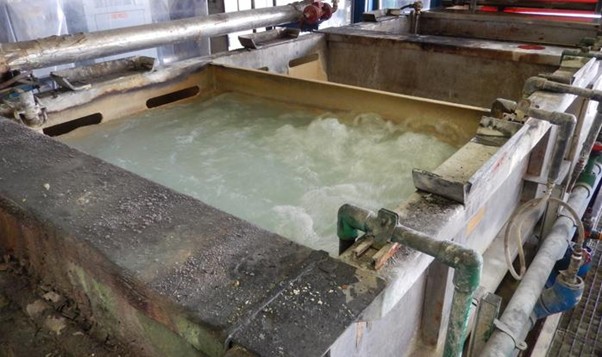
What Is Degreasing?
Degreasing removes:
- Oils and lubricants
- Cutting fluids
- Grease and shop dirt
- Temporary corrosion inhibitors
These contaminants block zinc contact with steel.
How Degreasing Works
- Steel is immersed in an alkaline solution
- Common chemicals: Sodium hydroxide (NaOH) + detergents
- Temperature: 60–90°C
- Time: 5–20 minutes
What Happens If Degreasing Is Poor?
- Zinc refuses to wet the surface
- Bare spots appear after galvanizing
- Coating adhesion fails
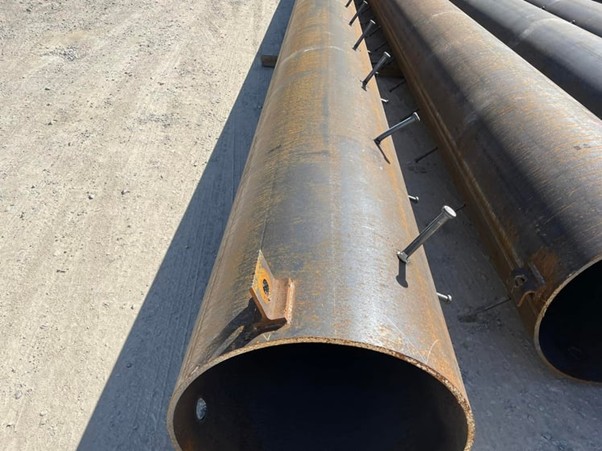
Step 2: Pickling in Galvanizing (Rust & Mill Scale Removal)
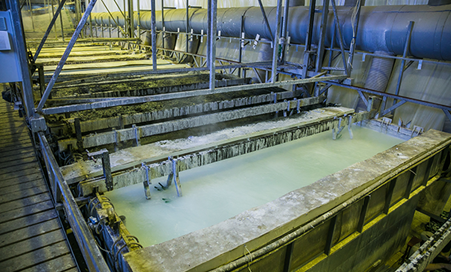
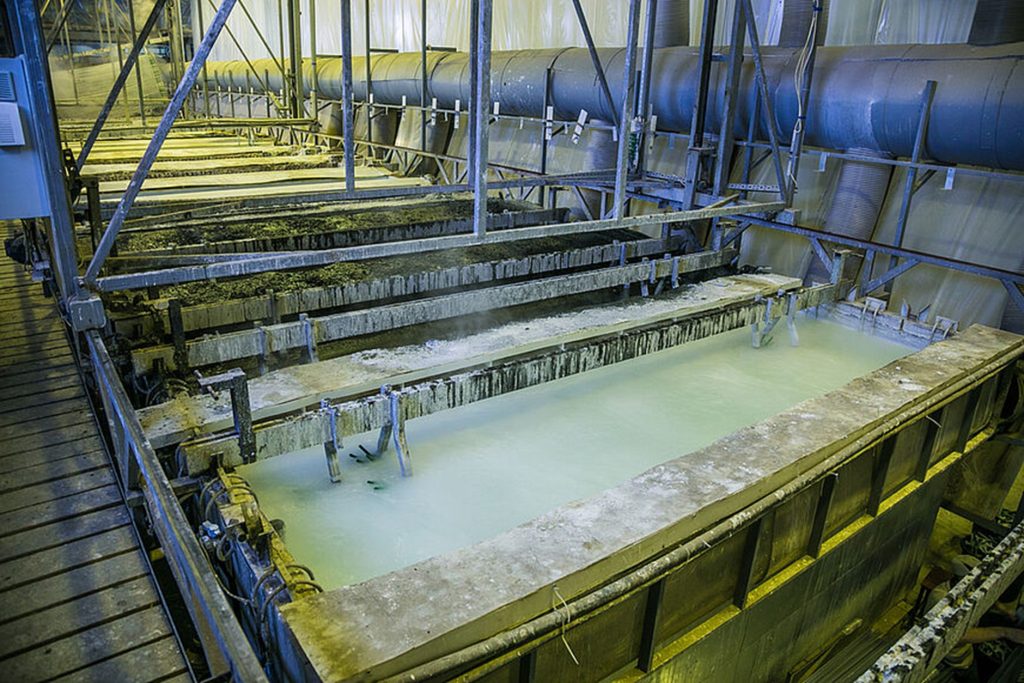
What Is Pickling?
Pickling removes:
- Rust (iron oxides)
- Mill scale from hot-rolled steel
- Oxidation from welding and storage
Acids Used in Pickling
- Hydrochloric Acid (HCl): 10–15% (most common)
- Sulfuric Acid (H₂SO₄): Used for heavy scale (less common)
Typical Pickling Parameters
- Time: 10–30 minutes
- Closely monitored to prevent over-pickling
⚠️ Over-pickling risks:
- Excess zinc consumption
- Rough coatings
- Edge weakening
Degreasing vs Pickling: Key Differences
Aspect | Degreasing | Pickling |
Removes | Oils & grease | Rust & mill scale |
Chemical Type | Alkaline | Acidic |
Purpose | Expose steel surface | Clean oxides |
If skipped | Bare spots | Poor zinc bonding |
👉 Both steps are mandatory in a proper galvanising process.
Common Surface Cleaning Problems & Solutions
Problem | Root Cause | Solution |
Bare patches | Incomplete degreasing | Improve alkaline cleaning |
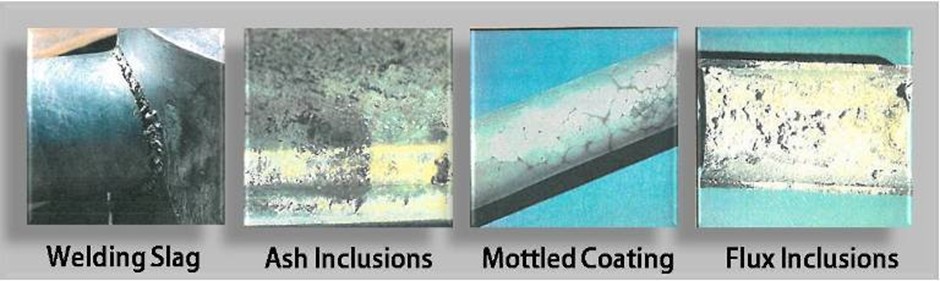
Black spots | Incomplete pickling | Extend pickling time |
Excess zinc | Over-pickling | Control acid strength |
Peeling zinc | Contaminated surface | Improve cleaning sequence |
Water Break Test: How Plants Check Surface Cleanliness
The water break test is a quick method to verify degreasing effectiveness.
Test Results
- ✅ Water spreads evenly → Surface is clean
- ❌ Water beads up → Oil or grease present
This test is often performed before pickling or fluxing. mattis, pulvinar dapibus leo.
Best Practices for Degreasing & Pickling
✅ Remove oil-based marking paints
✅ Clean weld slag and spatter
✅ Avoid silicone sealants
✅ Control acid concentration daily
✅ Use fresh rinse water
✅ Avoid excessive pickling time
These practices reduce:
- Zinc wastage
- Rejections
- Rework cost
How Degreasing & Pickling Affect Coating Thickness
Clean steel:
- Promotes controlled zinc alloy growth
- Produces uniform coating thickness
- Improves corrosion protection life
Poor cleaning:
- Causes uneven thickness
- Increases zinc consumption
- Leads to early coating failure