Skip to content

Introduction
Sustainability has become a major focus across all industrial sectors. Industries today are expected not only to deliver performance but also to minimize environmental impact. The galvanizing industry is adapting to this shift by adopting eco-friendly practices and responsible resource management.
Zinc as an Environmentally Sustainable Material
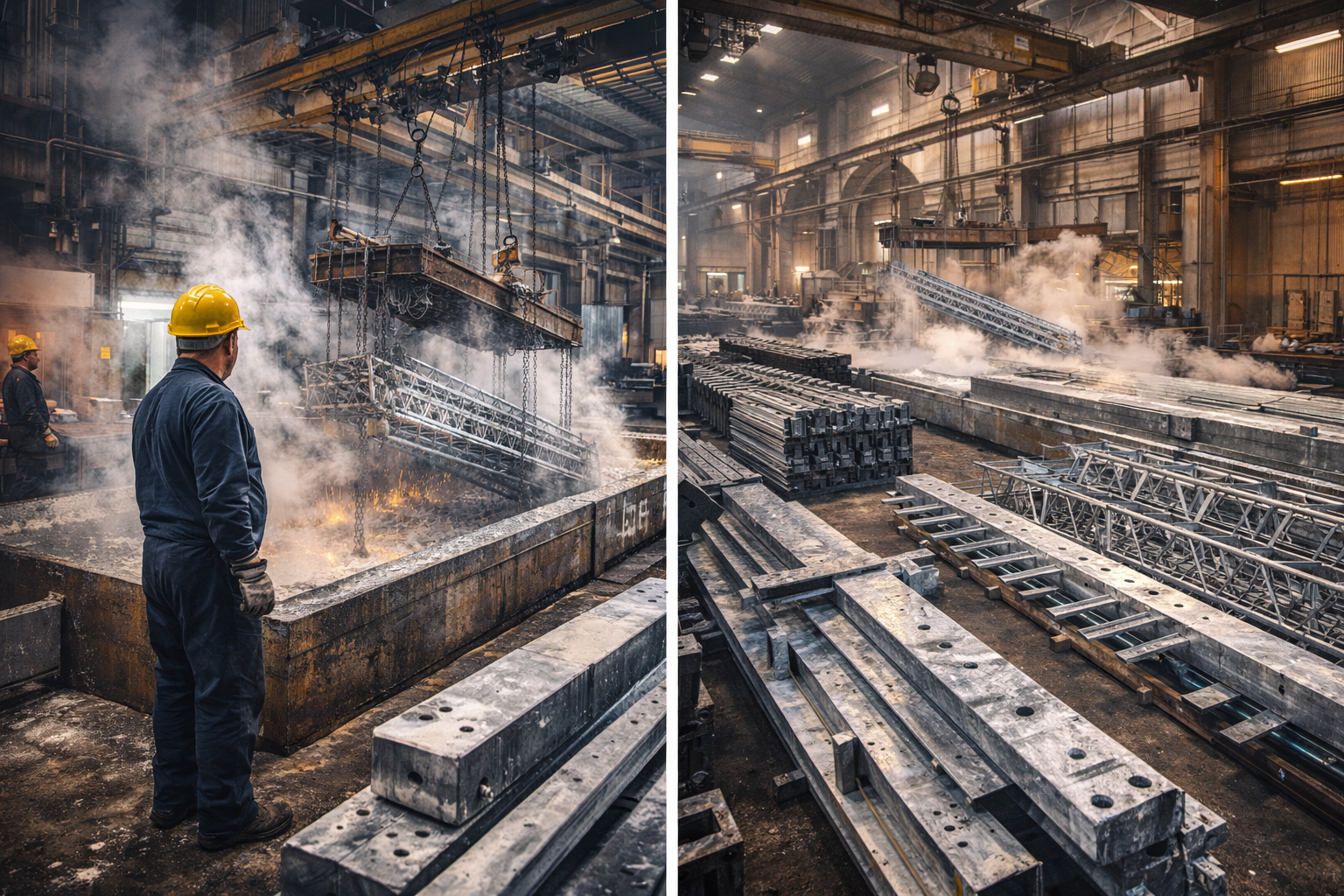
Zinc used in hot-dip galvanizing is a natural, recyclable material. Galvanized steel products can be reused and recycled without losing their corrosion protection properties. This makes galvanizing a sustainable solution compared to many alternative coating systems.
Reduced Maintenance and Resource Consumption
Painted steel structures require regular repainting, which involves chemicals, solvents, labor, and energy. Hot-dip galvanizing significantly reduces the need for maintenance, thereby lowering emissions, reducing chemical usage, and minimizing overall environmental impact.
Compliance with Environmental and Safety Standards
Modern galvanizing facilities operate under strict environmental and occupational safety regulations. Certifications such as ISO 14001 and ISO 45001 ensure responsible waste management, controlled emissions, and safe working conditions.
Conclusion
Sustainability is now a long-term industry requirement rather than a short-term trend. By adopting eco-friendly galvanizing practices, companies like Galcons India contribute to sustainable infrastructure development while providing durable corrosion protection solutions.