Skip to content

Introduction
India is experiencing unprecedented growth in infrastructure, manufacturing, power, and industrial development. With this rapid expansion comes an increased demand for durable steel structures capable of withstanding harsh environmental conditions over decades. Corrosion remains one of the biggest challenges for steel, especially in areas with high humidity, coastal exposure, or industrial pollution. In this context, hot-dip galvanizing has emerged as one of the most reliable, cost-effective, and long-lasting solutions for corrosion protection.
Hot-dip galvanized steel is increasingly specified in such projects due to its proven corrosion resistance, durability, and ability to perform under harsh conditions. For example:
Bridges and flyovers: Steel girders and railings require decades of maintenance-free life.
Metro and urban transit systems: High humidity and pollution make galvanizing ideal for tracks, overhead structures, and safety components.
Transmission towers and industrial plants: Exposure to weather extremes demands corrosion protection to ensure safety and reduce long-term costs.
The adoption of galvanized steel ensures that these critical structures remain functional, safe, and aesthetically intact over decades, reducing downtime and operational expenses.
Shift Toward Lifecycle Cost Optimization
A major trend in the Indian industry is the focus on total lifecycle cost rather than just upfront expenses. While painted steel may seem cheaper initially, it requires frequent inspections, maintenance, and recoating, which significantly increases the total cost of ownership over time.
Hot-dip galvanized steel, by contrast, provides long-term protection against corrosion, often lasting 40 to 50 years in most environments without significant maintenance. By investing in galvanizing upfront, companies achieve:
Lower maintenance costs: Reduces labor and material expenses over decades.
Minimized downtime: Less frequent repair or recoating allows uninterrupted operation.
Higher ROI: Long-lasting protection maximizes the value of steel investments.
This lifecycle-oriented approach is now being adopted by construction firms, industrial companies, and government projects that prioritize durability, operational efficiency, and budget predictability.
Increasing Demand for Certified Quality
With rising awareness of quality standards and safety norms, clients increasingly prefer ISO-certified galvanizing service providers. Certification ensures:
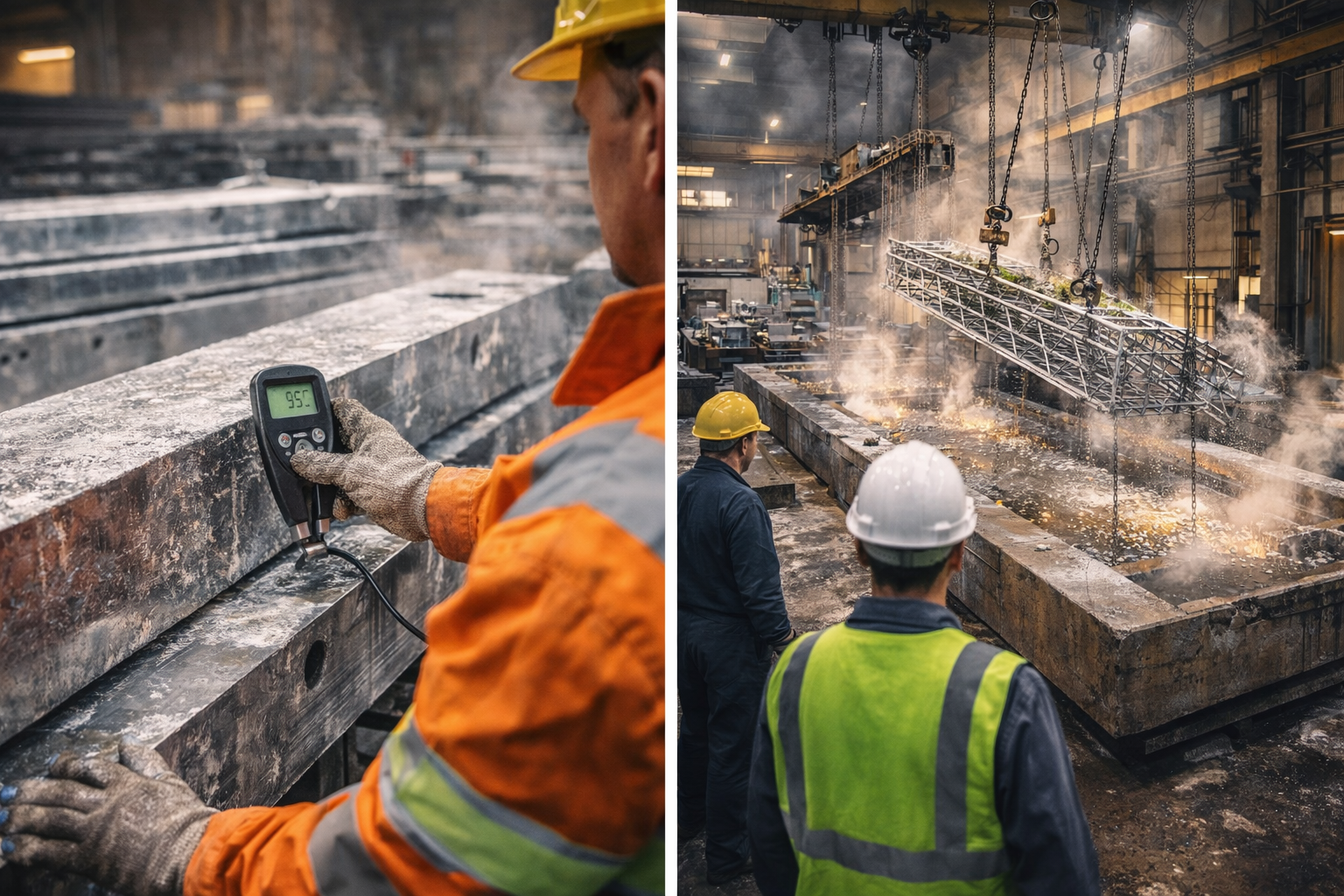
Consistent coating thickness for effective corrosion protection.
Proper surface preparation for long-lasting adhesion.
Compliance with environmental and safety regulations.
Traceability and documentation for audit and warranty purposes.
This trend is driving galvanizing companies to adopt advanced technologies, rigorous quality control measures, and environmentally responsible processes. Service providers like Galcons India are positioning themselves as reliable partners by meeting these quality expectations and offering end-to-end galvanizing solutions.
Emerging Trends in the Indian Galvanizing Industry
Technological upgrades: Modern galvanizing lines with automated handling, improved zinc bath management, and real-time quality monitoring.
Eco-friendly practices: Adoption of energy-efficient processes and proper treatment of effluents to comply with environmental norms.
Customized solutions: Galvanizing for specialized components in renewable energy, industrial machinery, and infrastructure applications.
Training and skill development: Focus on upskilling operators to handle sophisticated galvanizing equipment while maintaining high safety standards